horse in Arizona

As summer winds down and fall arrives, your horse’s needs change — from feed and turnout to shelter and health checks. Being proactive now helps keep your horse in peak condition through the cooler months.

Here’s what to focus on:
Watch Your Horse’s Body Condition & Nutrition

  • Assess body condition regularly. As pasture quality declines, horses often lose condition if their feeds are not adjusted.
  • Balance forage and concentrates. If your hay is lower in protein or energy, you may need to supplement with good-quality hay, grains, or a balancer.
  • Consider vitamin E supplementation. Green forages are a prime source; if your hay is older or less lush, an approved vitamin E supplement may help support immunity.
  • Hydration matters even when it’s cooler. Some horses drink less as temperatures dip — encourage water intake with fresh, clean water and monitor to prevent dehydration.
  • Use electrolytes judiciously. If your horse is still sweating or doing moderate work, adding low-dose electrolytes can help maintain hydration.

Shelter, Blanketing & Climate Considerations

  • Provide adequate shelter. Even in milder climates, wind, rain, and temperature swings make windbreaks or run-in sheds important.
  • Blanketing decisions should be individualized. Don’t automatically blanket — check your horse’s coat, fat cover, workload, and comfort. A good blanket should fit properly and be in good condition.
  • Keep a close eye on body condition under the coat. A long fall coat can mask subtle weight loss or poor muscle coverage, so feel your horse’s ribs, topline, and hindquarters regularly.

Maintain Consistent Exercise & Mental Engagement

  • Stick to a routine where possible. Fall often offers ideal weather for riding — take advantage!
  • Be flexible for weather. On wet, windy, or muddy days, move groundwork indoors or use alternative exercises like lunging, pole work, or obstacle training.
  • Include mental challenges. Turn boredom-fighting games (ground exercises, pattern work, desensitization) into part of your schedule, especially if turnout is reduced.

Dental & Oral Health

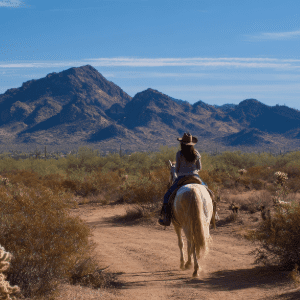
trail riding
  • Schedule a dental exam. As feed requirements change, efficient chewing becomes more important for digestion and waste reduction.
  • Address any issues early. Float any sharp points, address wave mouth or overgrowth, and check for lost teeth or dental abnormalities.
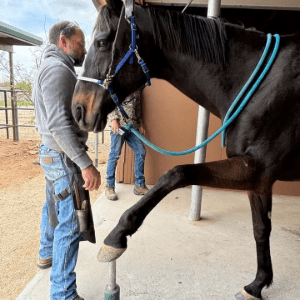
farrier and horse

Hoof & Farrier Care

  • Stay on schedule. Seasonal changes in moisture can affect hoof growth and condition, making regular trims or shoeing adjustments crucial.
  • Watch for thrush or softening. Areas with mud or standing water predispose horses to hoof issues — keep feet clean and dry when possible.
  • Consult your farrier. If you expect changes in use, ground conditions, or footing, it’s wise to review the trimming/shoeing plan together.

Parasite Control & Environmental Management

  • Use fecal egg count (FEC)-based deworming. Targeted treatment is both effective and helps slow resistance.
  • Clean the environment. Regularly pick manure, rotate paddocks or pastures, and manage bedding to reduce parasite load.

Vaccinations, Preventive Care & Health Monitoring

  • Review the vaccine schedule. With cooler weather and travel plans on the horizon, fall is a good time to ensure your horse is current.
  • Plan travel and show needs in advance. Make sure your horse meets state, show, or transport requirements (health certificates, boosters) well before departure.
  • Monitor respiratory health. As barns close up, ventilation is critical — watch for coughing, nasal discharge, or breathing effort.

Observe & Adapt — Every Horse Is Different

  • Check in daily. Small changes in attitude, appetite, weight, or movement can signal something deeper.
  • Talk with your vet or equine specialist. Local climate, forage availability, and disease pressures vary — customized guidance is invaluable.
  • Be flexible. What works in early fall might need adjustment as winter approaches.

By preparing your horse for fall now, you’ll ensure a smooth, healthy transition into winter — keeping them comfortable, active, and thriving year-round.

623-581-5508